About us
Education
Research and Innovation
International
Campus life
News
for applicants for students for colleagues for partners
Main menu
About BME
Faculties
Organisation
Leaders
BME in international rankings
History of the University
BME’s historical significance
Prominent personalities
Women in science
Data protection
Application and admission
Our study programmes
For Your Information
Student administration
Mobility programmes abroad
Scholarships
National Technical Information Centre and Library (OMIKK)
Centre of Modern Languages
Quality assurance
Research projects at the University
Research projects at the faculties
BME Centre for Innovation Management and Cooperation (FIEK)
Research groups
Excellence grant programmes
Innovation and knowledge centres at the university
Competence map
Scientific journals
BME TechFlow
ERASMUS+
EELISA international courses
Other international opportunities
Summer / winter schools
Staff mobility
International partnerships
Department of International Relations (NKI)
International relations (NKI)
Campus map
Services
Dormitories
Student communities
Student informations
Sports
Culture and entertainment
Talent management
Sustainability
Family-friendly BME
Equal opportunity
Alumni
News feed and finder
Events
Press and media
Brochures, documents
Photos and videos
BME, Facts and figures
8 faculties, 1200 faculty members, 5000 subjects and 10,000 courses
Faculties, Chancellery, Rector's Office, departments and other bodies
Rector, chancellor, deans
BME ranks among the top 1-2% of over 50,000 universities worldwide, according to major international rankings
An Alma Mater of many world-famous inventors, serving science since 1782
The spark that ignited the revolution of 1956 was organized in BME’s Assembly Hall
Nobel Laureates and Olympians have studied at BME, which is led by renowned experts in various scientific fields
With Hungary's first female engineer among its alumni, BME champions women's participation in science
The data procession code in force, and all related information
Admission portal for international students
Bachelor’s, Master’s, doctoral, inter-university and foreign-language training programmes
Why BME?
Provision of information, student benefits, curricula and programmes, counselling, and other important information
We offer opportunities for obtaining professional experience at over 100 partner institutions worldwide
Cover your tuition fees and living expenses
BME OMIKK (National Technical Information Centre and Library) serves as a university library, a specialised national library, and an archive
BME's Centre of Modern Languages provides language courses for students, manages the BME Language Examination Centre, and operates the Centre for Interpreter and Translator Training
Our university's quality policy aligns with legal requirements and international standards
University, national, and international/EU research programmes
The faculties and departments of BME are dedicated to research and development, fostering interdisciplinary innovations
R+D, knowledge transfer, startup management, partner network, international relations
MTA-BME Lendület Research Groups, Hungarian Research Network (HUN-REN), and the Office of Supported Research Groups
New National Excellence Programme, Doctoral Excellence Grant Programme, Cooperative Doctorate Programme, and OTKA grants
7 National Laboratories and 67 industry research and development laboratories, covering nearly 30,000 square meters
Let us help you find your way in our own district in the heart of Budapest!
Periodica Polytechnica is the English-language scientific journal of BME
BME's science and innovation news series, showcasing the latest research and development achievements and success stories of the university.
Are you looking for opportunities to study abroad? We’ve got you covered.
Take advantage of scholarship opportunities with financial support!
Together with other European universities for modern higher education
Student exchange programmes, international events, and funded activities
International opportunities all year long
Faculty and staff are welcome to apply
95 countries, 1200+ partners
Contact us, we’re here to help
Erasmus, scholarship programmes, research cooperations and more
BME’s vast campus functions as its own district in the heart of Budapest. Let us help you find your way around the buildings!
Student counselling, refunds and benefits, international student affairs
There are 4141 places available in 8 buildings
You can join student organizations and become a member of volunteer groups. There is almost no activity you won't come across as a BME student.
Explore a wide array of activities as a BME student
Or outdoor and indoor facilities span over 4000 square meters
Explore the intersection between sciences and the society
A range of programmes for all ages, across multiple platforms, coordinated by a dedicated team
Learn about the four working groups set up to promote environmentally sustainable solutions
Our programmes that won us the Family Friendly Workplace Award
The Equal Opportunities Plan was drawn up by our employee organisatons
The Alumni Organisation was founded in 1999 to strengthen the relationship with former students
The most important news and developments at BME
The University of Technology hosts a wide range of events, with something for every target group
Communication and requests for filming, photography, or interviews
Downloadable materials
Media coverage of our university events
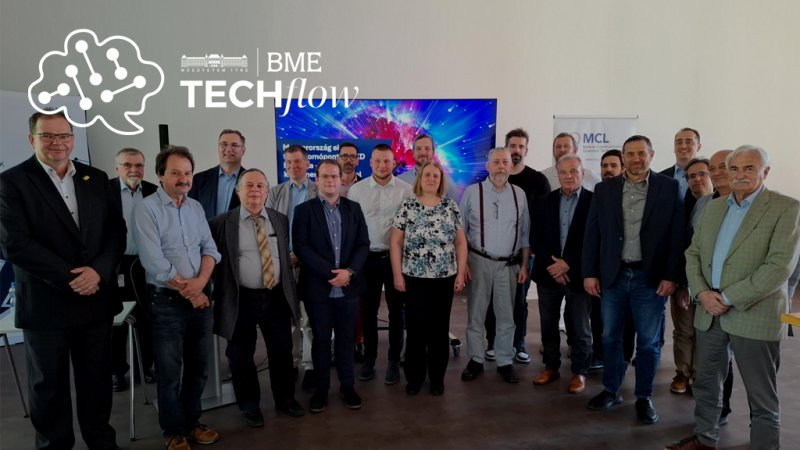
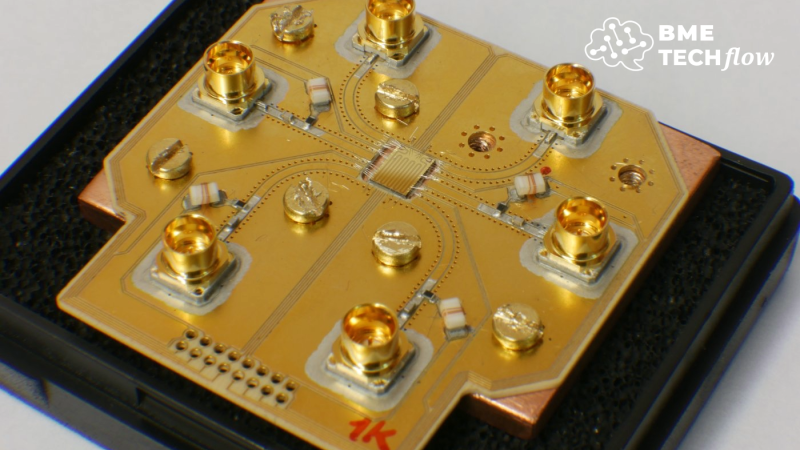
BME is working with consortium partners from the UK, Greece, Serbia and Israel.
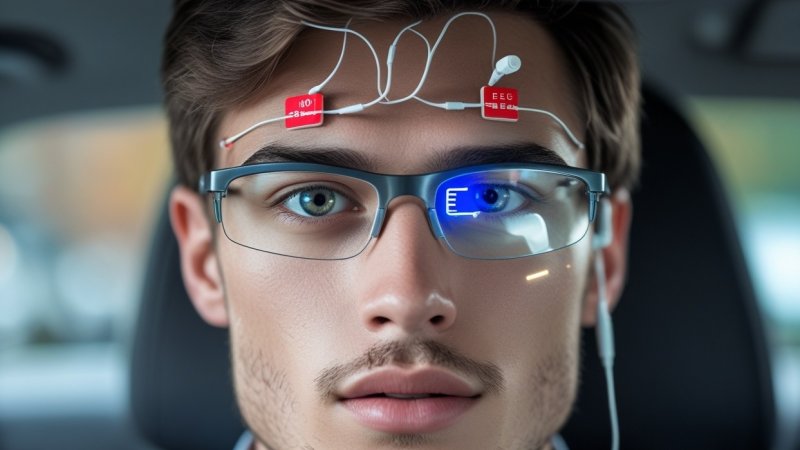
A unique device developed by lecturers at BME could replace the need for inconvenient, multiple daily applications of eye drops.
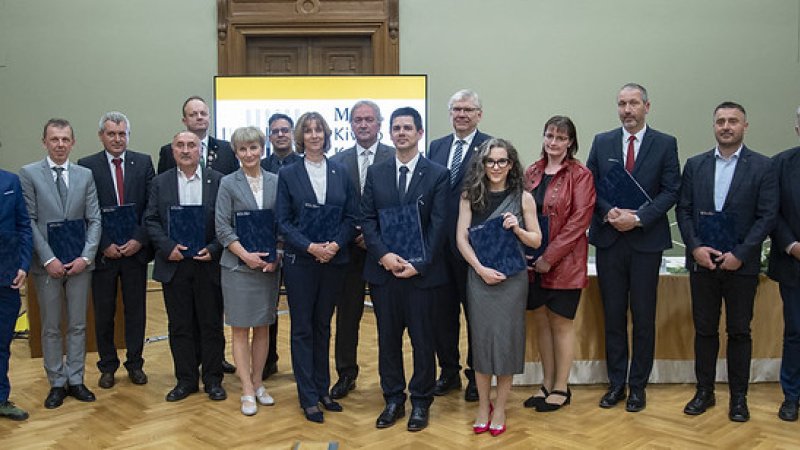
A total of 14 Hungarian research centres were recognised with the certificate this year.
From chemists to mechanical engineers to mathematicians.
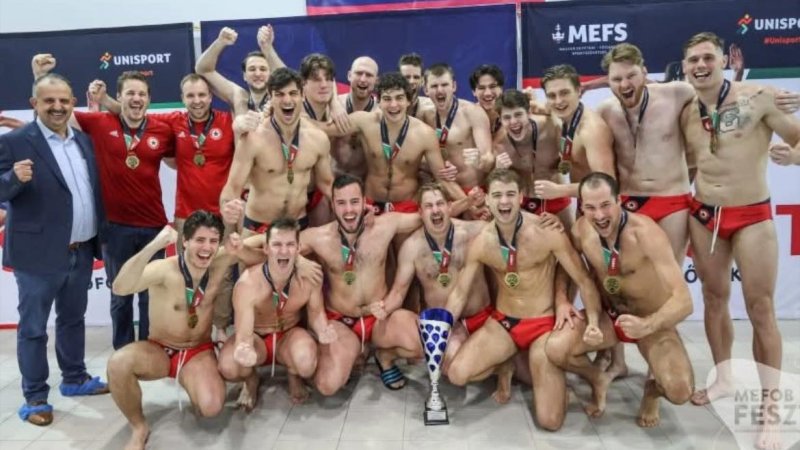
The water polo team became champions in front of the Rector himself.
The demonstration, carried out through a unique research–industry collaboration, was the first of its kind in Hungary.
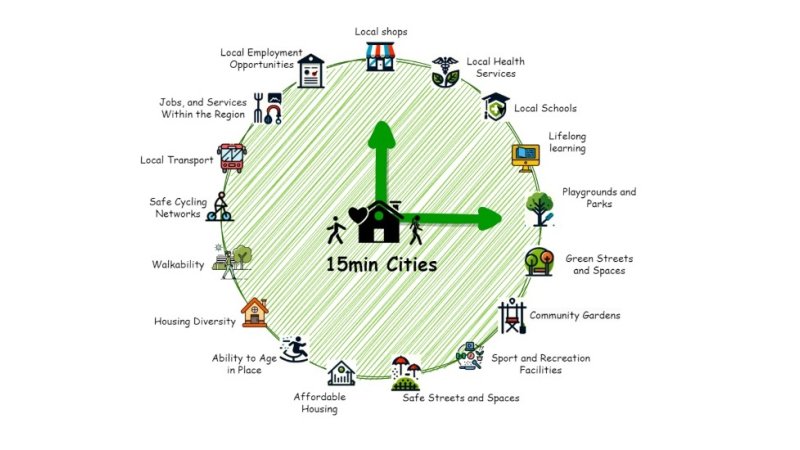
Artificial intelligence, sustainable cities and 6G for all.
Researchers from the Department of Automotive Engineering have published a paper in Scientific Reports together with colleagues from SZTE.
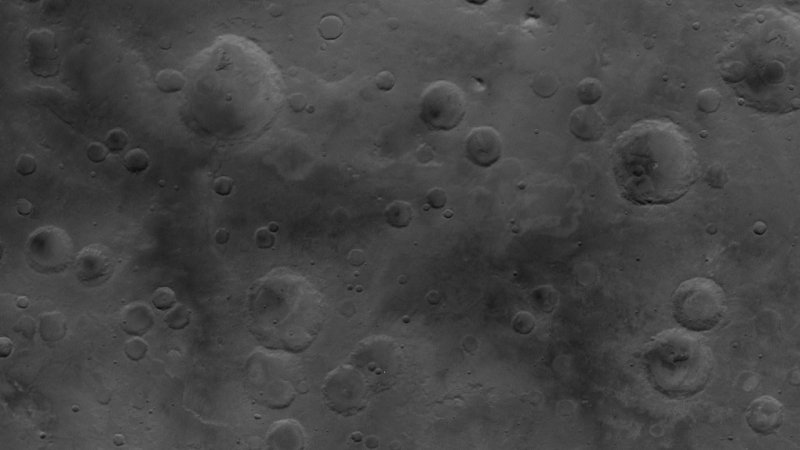
On its way to the Didimos-Dimorphos binary asteroid, ESA's space probe has taken good photos of the red planet and one of its moons.
In engineering & technology, the BME has climbed 12 places to 231st in the global higher education ranking.
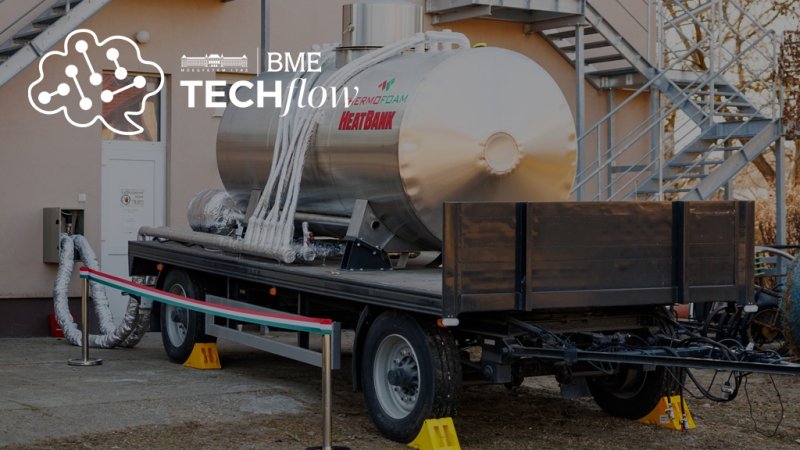
A mobile heat storage system has been developed with the help of BME, and the pilot project is already operational in a Hungarian village.
Ádám Kertai is reforming the European rail systems, while Bálint Pásztor teaches robots to see.
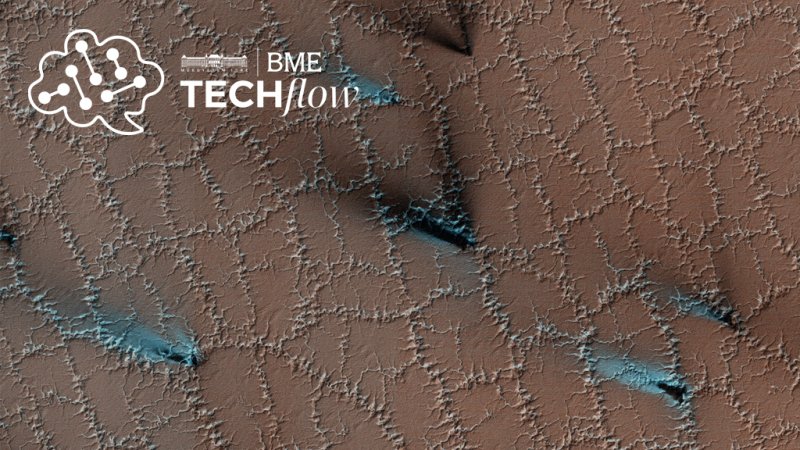
A single image of a fracture pattern can reveal the future—and from that, even the past.
Róbert E. Gyurcsányi has been awarded the 2025 Simon-Widmer Prize by the Swiss Chemical Society.
The university has joined forces with two major cities in Hungary to develop decision-support solutions.
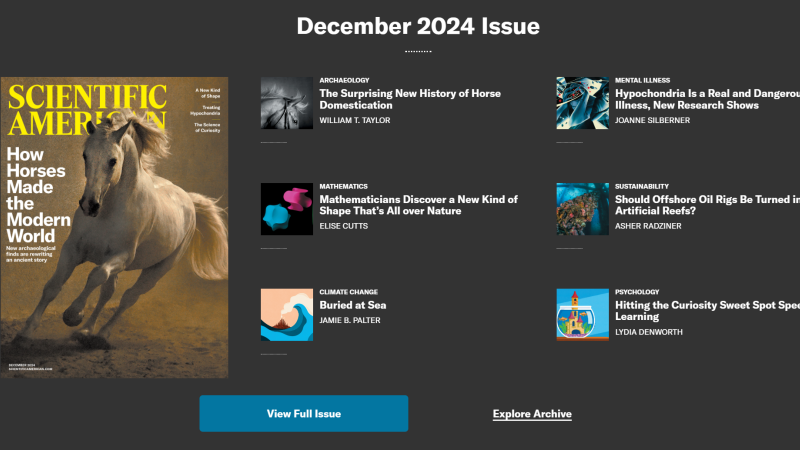
The prestigious magazine calls the detection of soft cells the most interesting mathematical discovery of last year.
The world's top 2 percent ranking is compiled based on citation indicators.
The study on the phenomenon, waiting to be explained for years, was published by Nature Communications.
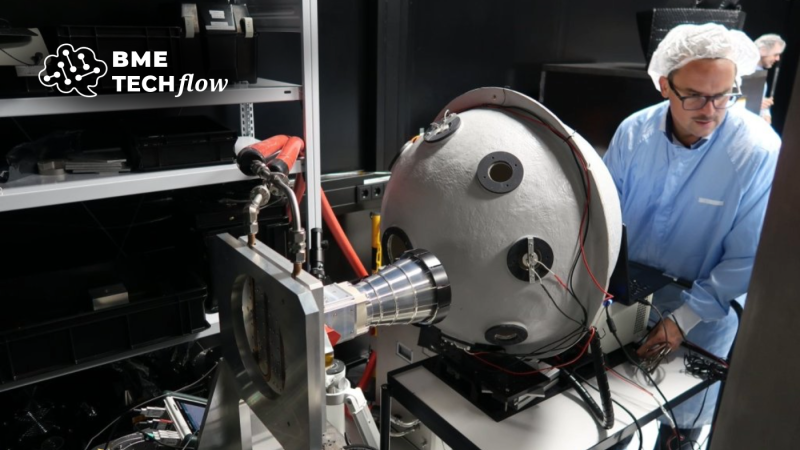
Experts from BME worked to ensure the asteroid research spacecraft transmits the best possible images.
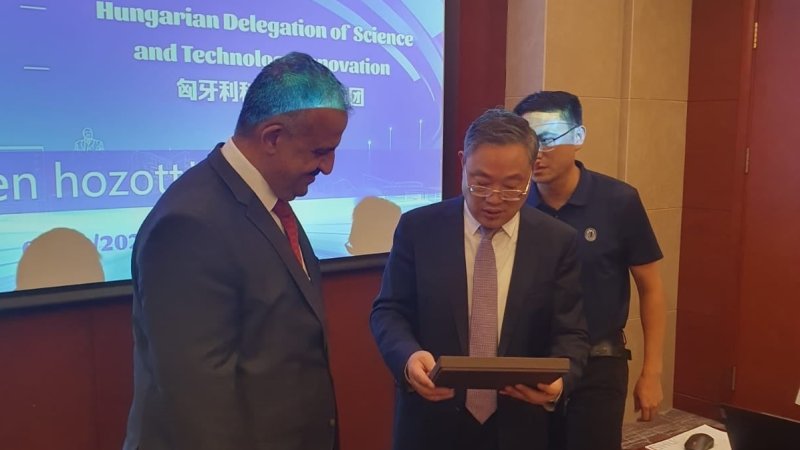
Hungary was the guest of honour at the international innovation forum.
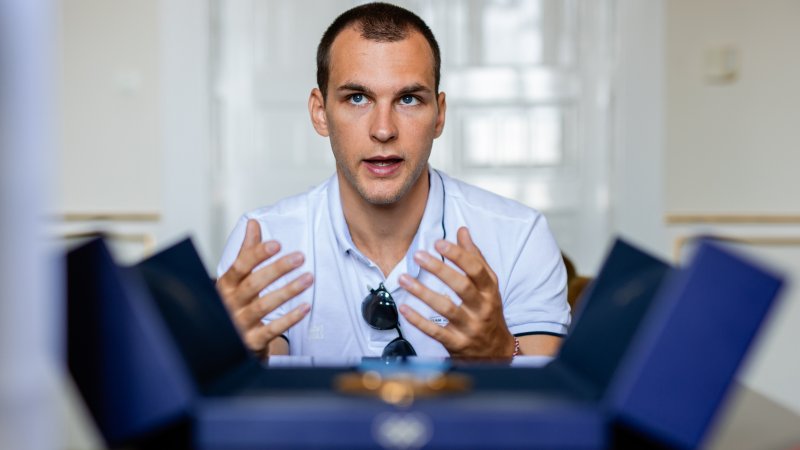
Indeed it is. BME's 20th Olympic gold medallist told Rector Charaf Hassan about his experiences before answering the questions of bme.hu.
With this information, it should soon be easier to treat.
The physicist said that his team aims to lay the foundations of the preventive medicine of the future.
Péter Pál Pach was recognised for his achievements in combinatorics. Most winners represent some of the world's most prestigious universities.